The general election and inflation have led to a contraction in French consumption
The combination of inflation, fluctuating oil prices and the uncertainty of the general election has dampened the consumption intentions of the French people.
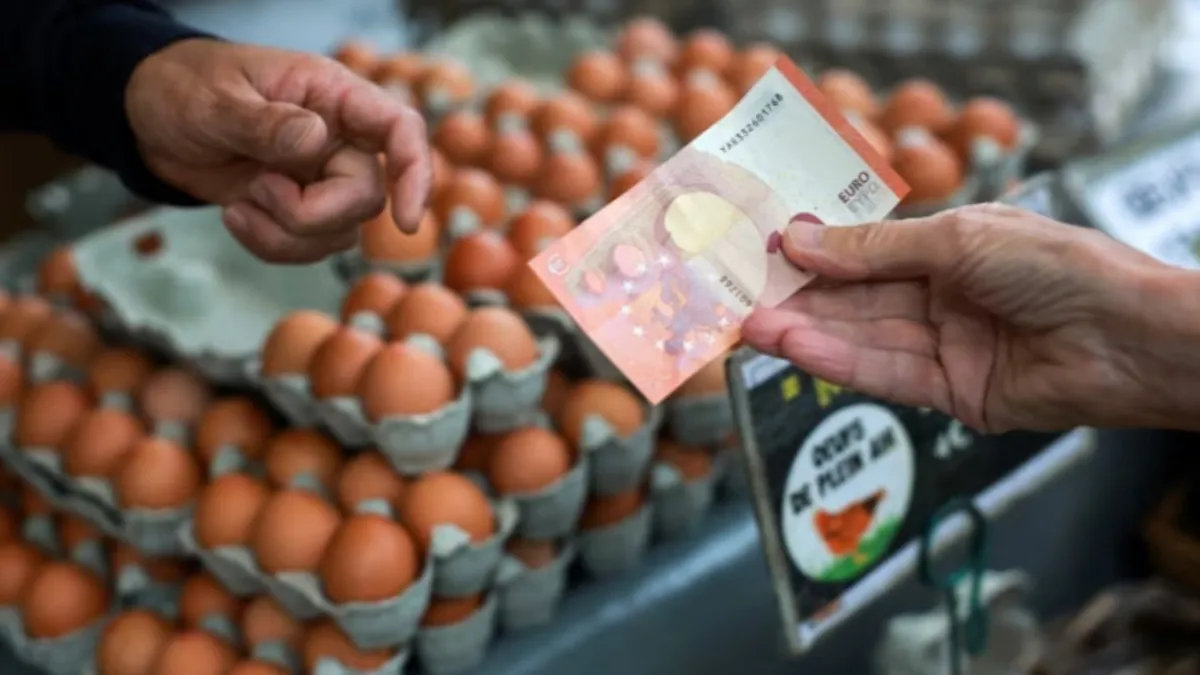
Residents' spending has contracted.
There is a decline in the consumption behavior of French residents. The changes in the Paris catering market are the most obvious. Customers generally reduce single-item consumption and giving up alcoholic beverages has become a common phenomenon. Affordable small stores have become the mainstream of consumption. The latest poll by a consumer credit institution shows that over 60% of French people believe that current inflation is still accelerating, and more than half of the people have actively reduced non-essential expenditures, increasing their sensitivity to price fluctuations.
Pessimism in the market is spreading. More than half of the residents predict that their personal purchasing power will decline in the next year, and this proportion has increased by 10% compared to the same period last year. Residents do not prioritize ensuring necessary expenditures in consumption, leisure and entertainment and other optional consumption have all cooled down. Various physical industries are under pressure, and the recovery of the industries is weak.
Multiple risks have triggered a nationwide savings trend.
The geopolitical conflicts in the Middle East have pushed up global energy prices, causing France's energy import costs to soar and input inflation to remain persistently high. Frequent extreme weather events have also indirectly pushed up living and material costs, increasing the burden on residents. The upcoming presidential election next year has intensified policy uncertainty. The tax, salary and energy policies of different campaign factions vary greatly, and the public can not predict future tax burdens and living costs. They generally choose to cut expenses in advance and accumulate funds for hedging.
At the same time, France's public debt is extremely large, and the market is concerned that the subsequent fiscal pressure will be passed on to the residents, exacerbating public anxiety. Under the combined effect of multiple factors, the entire population has entered a mode of actively reducing consumption and increasing savings. Economic data also confirm this trend. In the second quarter of this year, after adjusting for inflation, the disposable income of French households decreased by 0.5% compared with the previous period, and residents could only maintain basic consumption by consuming their savings.
Weak consumption has hindered economic growth. This problem has been the cause of the delay of the 2027 budget.
Consumption is the main pillar of the French economy contributing to almost half of the country's GDP growth. The fall of household consumption has directly taken away the support of growth of the whole economy. This year, the French economy narrowly avoided recession, with GDP remaining flat in the second quarter, halting the 0.2% decline in the first quarter. However, this stability is not an economic recovery, it is entirely dependent on residents' consumption of savings to support essential spending. Economists analyze that the current rise in oil prices has reduced residents' actual income, which will suppress the speed of consumption recovery for a long time.
Value-added tax is the largest source of tax revenue for the French government, and tax income is highly dependent on the activity of consumption. A cooling in market consumption will directly lead to fiscal revenue falling short of expectations. The bad consumption data have thrown the government's fiscal planning out of kilter and made it harder to implement the budget. The French parliament is badly divided and both previous governments have fallen over budget rows. The uncertainty of passing the new fiscal year budget has largely increased.
The upcoming presidential election has intensified policy disputes.
The presidential election next year is the most influential variable affecting consumption and the economy. The candidates have put forward different economic plans, making the market more inclined to wait and see. A far-right group wants to cut VAT on energy, so that people directly spend less on energy. The left-wing camp focuses on raising corporate salaries, attempting to boost consumption capacity from the income end. The center-right candidate plans to reduce contributions related to salary benefits.
The various policy directions are completely different. The market can not predict the final policy direction. The public is reluctant to consume in advance, and enterprises are reluctant to expand production and investment. Before the election is implemented and new policies are clarified, the trend of residents' precautionary savings and consumption reduction is difficult to reverse. Weak consumption will become the norm for the French economy.