The RBI has tightened the financial environment by selling 100 billion rupees worth of bonds
The RBI, said it would auction bonds worth 100 billion rupees to help ease inflation, which has been pushed higher by excess cash in the system and rising oil prices. The bond market is under pressure.
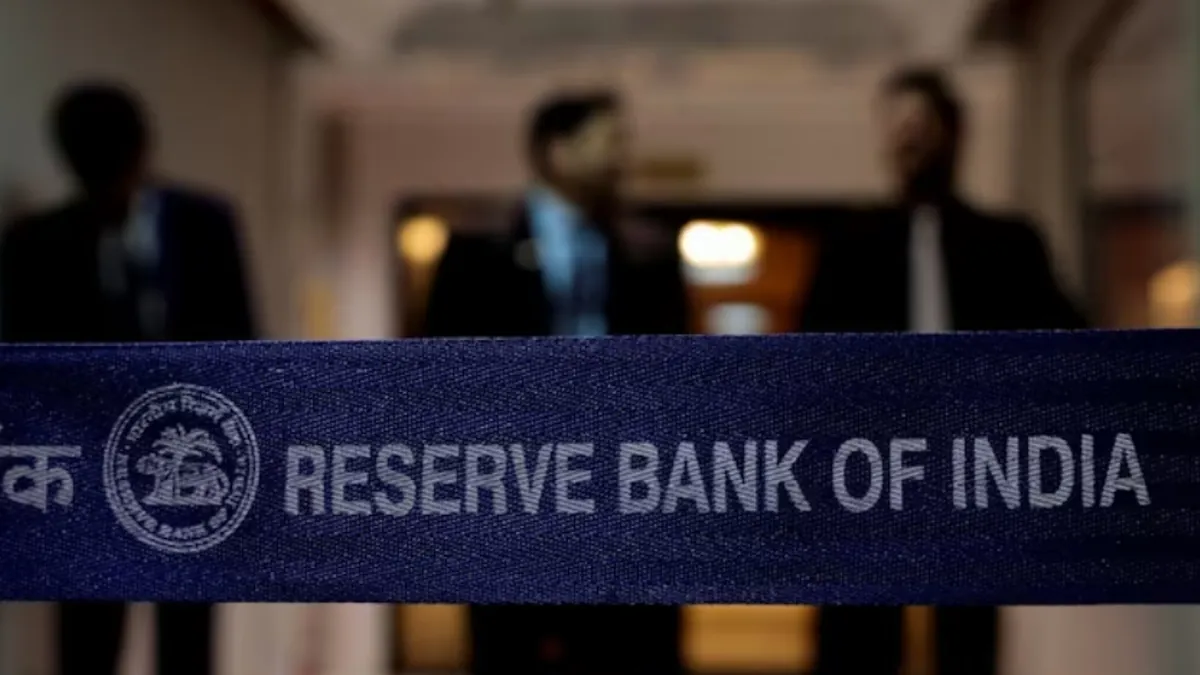
The Reserve Bank of India has been gradually withdrawing funds from the market in batches.
The RBI has implemented a liquidity tightening operation, which will sell government bonds through the open market within two weeks, with a total amount of 1 trillion rupees ($10.47 billion). This is the most significant liquidity withdrawal operation in India recently. The bond sales will be carried out in three batches. On September 17th, the sale of 500 billion rupees of bonds was completed first. On September 21st and September 28th, 250 billion rupees each were released. The sold bonds cover the maturity periods from 2029 to 2032 fiscal years.
The last time the RBI sold bonds in the secondary market was in September 2024. The regular auction-style debt sale can be traced back to October 2014. After more than a decade, this operation has been restarted, indicating the severity of the current excessive liquidity problem in the market. At the same time, the authorities have stated that tools such as reverse repo, open market operations, and foreign exchange swaps are all within the alternative range and will not lock in a single regulatory measure.
Excessive liquidity forces the central bank to tighten forcefully.
The problem of excessive cash in the Indian banking sector is very prominent. The foreign exchange mobilization plan launched by the central bank attracted a scale of funds far exceeding expectations, absorbing $127 billion, causing the idle funds in the banking system to soar and pushing the central bank's reserves to a record high. In September, the average excess liquidity in the market reached 102.5 trillion rupees, accounting for 3.8% of the total bank deposits. The massive idle funds led to continuous declines in overnight interest rates in the market, sometimes falling to the lower limit of monetary policy.
The international oil prices soared, and the pressure of imported inflation rapidly increased. The combination of excessive market liquidity and the risk of rising prices imposed a double pressure on the central bank. It had to quickly withdraw liquidity to avoid excessive liquidity pushing up inflation and disrupting economic order. The conventional short-term tools were insufficient in strength, and finally, the central bank chose the powerful public bond sale as a means.
In fact, the Indian central bank had tried various mild tools to regulate liquidity, but the effects were all not up to expectations. The central bank successively used long-term excess reserve operations and the U.S. dollar-rupee swap tools to channel the excess cash in the market. However, banks had a strong resistance to the long-term liquidity regulation tools and a low willingness to cooperate. The U.S. dollar-rupee swap operation raised the market hedging cost and was not cost-effective.
The bond market is under pressure and the cost of financing is increasing.
The massive bond sales by the central bank have put a huge dent on the Indian bond market. Yield on India's 10-year benchmark government bonds has risen by 26 basis points in the past month. This round of operation is likely to further push up the yield. Higher yields mean the Indian government will pay more for bonds and more to finance its activities. This increases the debt interest burden for a country already facing fiscal expenditure pressure. At the same time, corporate financing rates will also rise.
The previous foreign exchange policy brought in a large amount of incremental funds, causing a structural excess of liquidity. Coupled with the input inflation caused by the rise in global oil prices, market risks have accumulated. If the funds are allowed to flow freely, prices will continue to rise, squeezing the space for monetary policy and even triggering economic overheating. The central bank tightens the supply of long-term funds by withdrawing them, tightening the money supply at the source, and hedging against inflation risks in advance to stabilize domestic prices and the rupee exchange rate.