AI development slows down, leading to a strong rebound in the Indian IT sector
Big global AI companies together asked to slow down the speed of tech updates. Investors became more careful about risks, and this pushed up India's IT industry. Major stocks in this sector jumped sharply.
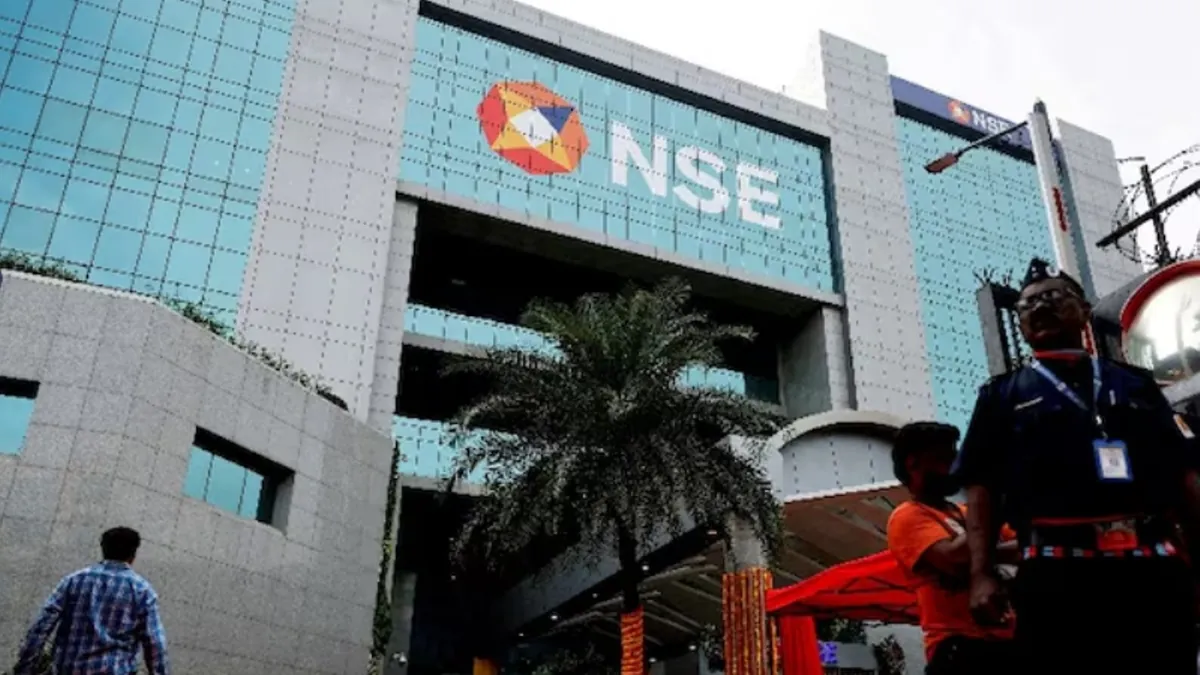
The Indian IT sector's long-awaited rise has been driven by expectations of AI cooling.
The IT services sector in Indian stock market emerged as the strongest main trend on September 15th. The Indian NIFTY IT index saw a huge spurt in the trading session with the maximum gain of 5.2% which was the best single day performance since July 2nd. Unlike the declines in AI computing power and chip stocks, the Indian software outsourcing sector has undergone a comprehensive recovery.
The core trigger of this rebound was the collective statements made by the top AI company executives worldwide. The CEO of Anthropic publicly proposed that the industry needs to actively slow down the iteration speed of AI models to avoid technological abuse and unknown security risks. Coupled with the previous public questioning of the industry's aggressive research and development model by AI researchers, market concerns about AI's rapid disruption of traditional industries quickly cooled down. The AI research pace has slowed down, and funds have flowed back to the overpriced IT stocks, driving the overall sector to rise.
The leading stocks have risen sharply.
Among the major industry leaders within the sector, HCL Technologies had the most significant increase, surging by 6.21% in a single day. This stock had previously closed lower for eight consecutive trading days, and this round of rebound is a combination of sentiment recovery and capital inflow. The other two industry giants, Infosys and Tata Consultancy Services (TCS), also rose by 4.72% and 4.76% respectively. A number of leading IT companies such as Wipro also followed suit.
Although the single-day rebound was strong, from the annual perspective, the Indian IT sector remains weak. As of this year, the NIFTY IT index has fallen by 21%, which is more than twice the decline of the Indian benchmark index Nifty 50. It has underperformed the broader market in the long term. It has consistently underperformed the broader market. The worst selling phase of the Indian IT sector is likely to have ended. The sector will maintain a volatile recovery pattern in the future.
However, the internal division within the sector will continue to intensify. The leading enterprises have strong financial resources and a faster transformation pace, and thus will have more ample room for subsequent rebounds. On the other hand, the smaller IT companies have insufficient technological reserves and weak customer resources, making their transformation more difficult. Even if they follow the sector's rebound, they are more likely to face pressure again in the future.
AI is changing the traditional outsourcing business model.
The Indian IT industry has a scale of $315 billion, which is a core weight sector in the domestic capital market and a well-known software outsourcing service base globally. However, the industry's business model that relies on manual billing of working hours has become very fragile under the AI wave, becoming the core reason for the decline in stock prices. The rapid iteration of AI technology has always been the biggest source of uncertainty for Indian IT enterprises. Now that the pace of AI research and development has slowed down, it leaves sufficient buffer periods for local IT enterprises.
But institutions emphasize that the long-term transformation trend of the industry will not change. The general direction of AI replacing traditional outsourcing business has not reversed, but the iteration speed has slowed down. After the short-term emotional recovery, the sector still has to face various pressures. This round of global technology market trends shows divergence, with the core AI sector and the traditional software sector having completely opposite market performances.
And traditional software service enterprises are experiencing collective recovery. Market funds are beginning to reprice the risks of the two sectors. The traditional software stocks that were overtraded in the early stage have quickly demonstrated their value and cost-effectiveness. Previously, the market was single-mindedly speculating on the growth dividends of AI, and funds were concentrated in the cutting-edge technology sectors. Now the market begins to value risk avoidance, and the low-valued traditional technology sectors that were suppressed by the expectation of AI disruption have entered a valuation recovery window.