The decision by the RBI has brought about a turning point, Tata-related stocks have strengthened
Speculation has resurfaced in the market about the listing expectations of Tata Sons after the Reserve Bank of India has maintained the entity status for the company. Several listed companies under the Tata group have seen a sharp rise in their stock prices.
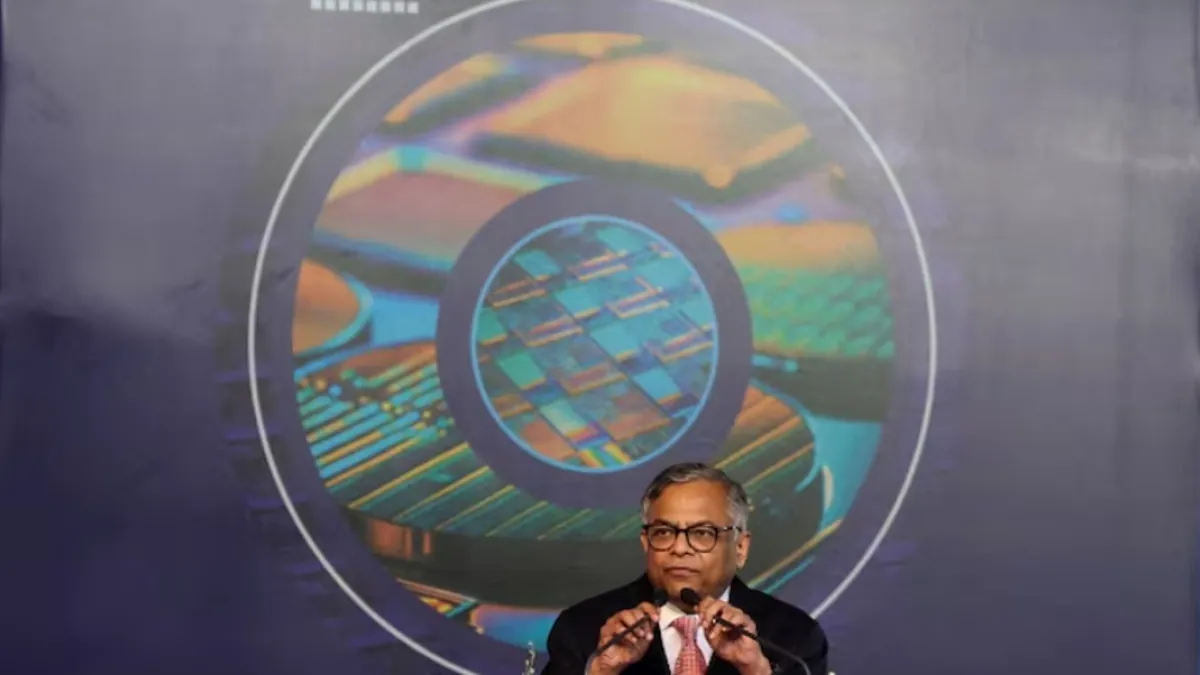
Tata-linked stocks soar.
India's central bank has declined Tata Sons' application to wind up its registration, meaning the company will continue to operate as a non-bank lender. When this news reached the stock market, investors quickly guessed that Tata Sons might launch an IPO someday. Once it goes public, the valuations of the Tata-related companies holding its shares will undergo a revaluation.
Tata Chemicals was the star performer in this round, surging 20% in a single day and hitting a fresh high in two and a half months. Tata Chemicals holds around 2.5% of the shares in Tata Sons and the valuation of this equity is between $1.04 billion and $1.56 billion. Tata Investment rose by 11.5%, and Tata Motors Passenger Vehicles increased by 4%. The influx of funds drove up the sentiment of the entire Tata sector.
The asset volume is huge, and the listing rules force the holding entity to make a choice.
Tata Sons runs 31 subsidiaries across the group. As of March 2025, the independent asset size was 1.75 trillion rupees. The idea of the Group has been to keep the privatization and not go public for a long time. But the Reserve Bank of India has put very strict regulatory provisions on non-bank lending institutions. For the listing, the core investment company asset size should be more than 1 trillion rupees.
In addition to regulatory pressure, there are also demands from the shareholders. The second-largest shareholder, Shapoorji Pallonji Group, has been pushing the holding company towards going public. Two Tata trustees have also publicly stated that the group invests in heavy asset sectors such as semiconductors, and the capital demand is huge. It is difficult to meet it solely with internal funds. Going public financing will be an important channel. Even if the market sentiment is strong, the listing of Tata Sons is not something that can be achieved in a short period of time.
Internal disagreements within the group.
Internal conflicts within the Tata Group have also been of concern to investors. Tata Trusts holds 66% of the shares of this holding company and is the absolute majority shareholder. The chairman of the group - N. Chandrasekaran, and Tata Trusts have multiple differences. The topics of their disputes are numerous - whether the holding company should go public, the pressure brought by the losses of Indian Airlines, and the exit plan for minority shareholders, are all the focus of the disputes.
Last month, the group announced externally that N. Chandrasekaran would not seek re-election as chairman. As soon as this news was released, the market began to speculate about the future management personnel of the group, and the uncertainty of the leadership further increased. Different positions of various parties do not have a unified view on this matter. Some trust members believe that new businesses need external funds, and going public is convenient for the group's expansion. However, Tata Sons has long insisted on privatization and is unwilling to be constrained by the short-term fluctuations of financial reports and stock prices in the public market.
The risks can not be ignored.
ICICI Securities mentioned that this entire matter will be accompanied by long-term legal disputes, which is the biggest obstacle. Firstly, it is difficult for all parties within the group to reach a quick consensus. The management of Tata Trusts, Tata Sons and the external minority shareholders have different demands. Privatization is the long-standing choice of this century-old enterprise and will not be easily compromised.
Secondly, the central bank retains the registration qualifications for non-banking institutions, but the court's trial process takes a long time. From triggering the rules to actually completing the IPO, there are many intermediate steps. Additionally, the leadership of the group has changed, which will also alter the subsequent decision-making direction. The attitude of the next group chairman may be different from the current one.