India-EU free trade negotiations result in increase in steel quotas
The EU has raised the preferential export limits for Indian steel, but will not withdraw the carbon border tax and will continue to levy it.
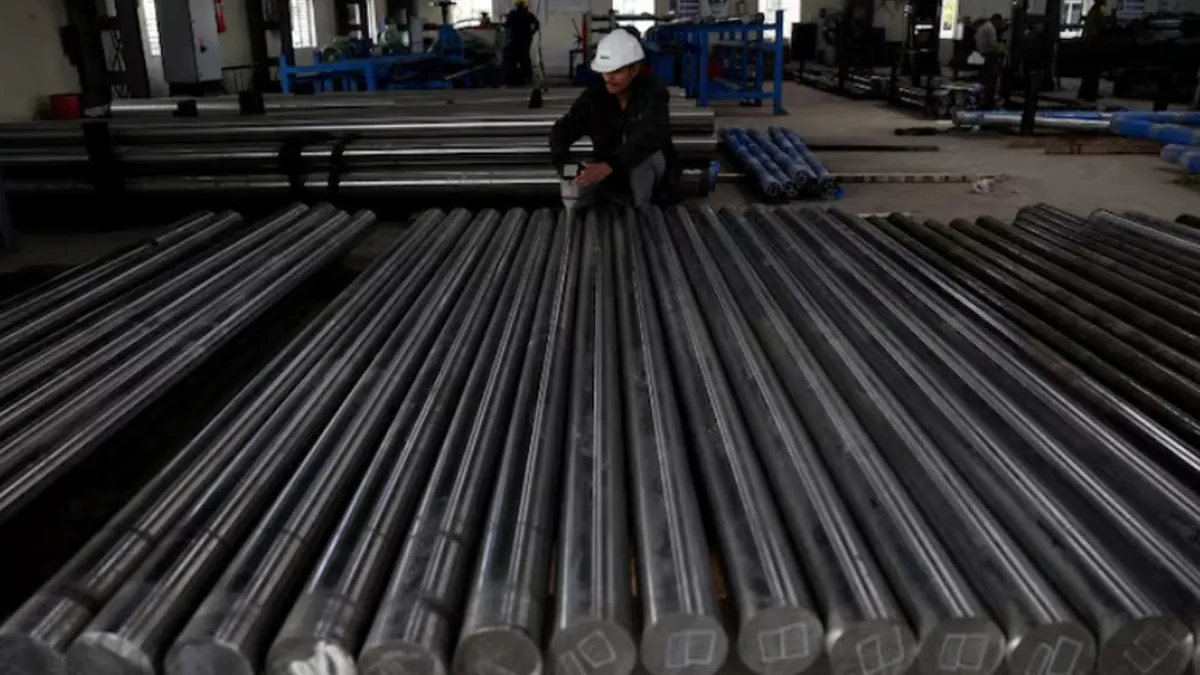
India, EU lift steel export quotas.
Under their trade deal, the EU has offered India new steel export limits. Previously, India's steel export quota was 94.6 million tons, set by WTO rules. This time, an additional 69.4 million tons of preferential quotas were added, and combined, India can send up to 164 million tons of steel to the EU each year. This figure covers 68.4% of India's total steel exports to the EU in 2025.
Before the implementation of this new quota, the old quota only covered 39.4% of the exports. The steel within the quota can enjoy preferential tariffs. Once the shipment volume exceeds the limit, the excess part will be subject to a 50% tariff. This agreement text still has room for revision. The official implementation time is expected to be at the end of the year, provided that the India-EU Free Trade Agreement is implemented. Within the quota, the distribution of products is not even. Flat steel is the main category.
The Indian steel industry originally demanded a higher overall increase in quotas, reaching 29% to 35%. Compared with the final negotiation results, the industry believes that the current allocation plan still has shortcomings. In some categories total guarantyd country quotas are lower than before and India's access position in the EU market is still disadvantaged.
The carbon border adjustment mechanism is still on.
The newly added preferential quotas do not exempt the EU from the carbon border adjustment mechanism, which is known as the CBAM carbon tax. As long as steel is exported to the EU market, regardless of whether it is within the quota, all the carbon tax rules apply. After the full implementation of the carbon border mechanism, the average carbon-related tax rate is about 35%. The tariff quota and the carbon tax are two separate sets of rules, and they do not cancel each other out.
The quota addresses traditional tariff exemptions, while the carbon tax is calculated separately and charges fees based on the carbon emission level during the steel production process. For Indian steel enterprises, obtaining the export quota is only the first step. Indian steel production heavily relies on coal, and the carbon emission base in the production process is relatively high. The carbon costs for European domestic steel mills are lower, so Indian steel needs to bear an additional carbon expense, reducing the export profit.
Changes in costs will be passed on to the futures market. For Indian steel exported to Europe, the FOB price needs to include the cost of the carbon tax. In the European steel futures market, the cost of imported sources from India rises, which will support the prices of local steel contracts in Europe. For Indian domestic steel futures, the export profit is eaten up by the carbon tax, weakening the motivation of enterprises to export, and the excess steel is left in the domestic market, suppressing the domestic steel prices in India.
The price differences of different steel futures have diverged.
This round of quota allocation clearly favored the flat steel category. Hot-rolled plates and steel strips occupied the largest portion of the quota. Hot-rolled coils are the most actively traded steel futures in the global market. Other steel categories received relatively fewer quotas. The quotas for some categories were even lower than the previous levels, making it difficult for corresponding products to expand exports to the EU through this agreement. The origin rules are another layer of constraint. Even if the quotas are not used up, if the steel does not meet the origin standards, the preferential quotas can not be used. The agreement also has restrictions on the coverage of various products, and it is not possible to simply ship out any quantity of products that have obtained the total quota.
Before this, the main markets for Indian steel exports were concentrated in Asia and the Middle East. The EU market had high entry barriers and limited quotas, and the expected carbon tax has suppressed the export intentions of Indian enterprises. This increase in quotas has enhanced the acceptance of Indian steel in the EU market, and the global steel trade flow has changed.