The tariff exemption has taken effect, and Irish whiskey has entered a window of trade policy benefits
The United States has announced the elimination of a 10% import tariff on Irish whiskey, breaking the trade barrier between the United States and Europe in the alcohol sector.

The new US tariff rules for imported alcohol are now in effect.
A new US tariff rules for imported alcohol are now in effect. During his recent visit to Ireland, Trump announced a key trade adjustment: the United States will completely remove the 10% import tariff on Irish whiskey. This policy change is a major piece of good news for the global alcoholic beverage industry, especially for Irish whiskey exporters and related market traders.
To understand this new policy, it is necessary to look back at the US-EU trade agreement finalized last year. Under that deal, most goods traded between the US and EU, including wine and spirits, were subject to a 15% import tariff. Later, the US rolled out a broader global tariff adjustment plan, cutting the tariff rate for products from 60 trading partners. For European wines and spirits, the tariff was lowered from 15% to 10%. Before the new exemption policy, Irish whiskey had always been charged this standard 10% tariff when entering the US market.
The newly announced separate tariff exemption is a special preferential treatment exclusively for Irish whiskey. It essentially creates a duty-free export channel for Irish whiskey sold in the United States. Tariffs are one of the biggest cost burdens for imported alcohol. Removing the 10% tariff directly slashes the operating costs for Irish whiskey brands entering the US market, laying a solid foundation for their better sales and profit growth in the US.
Trade pattern differentiation.
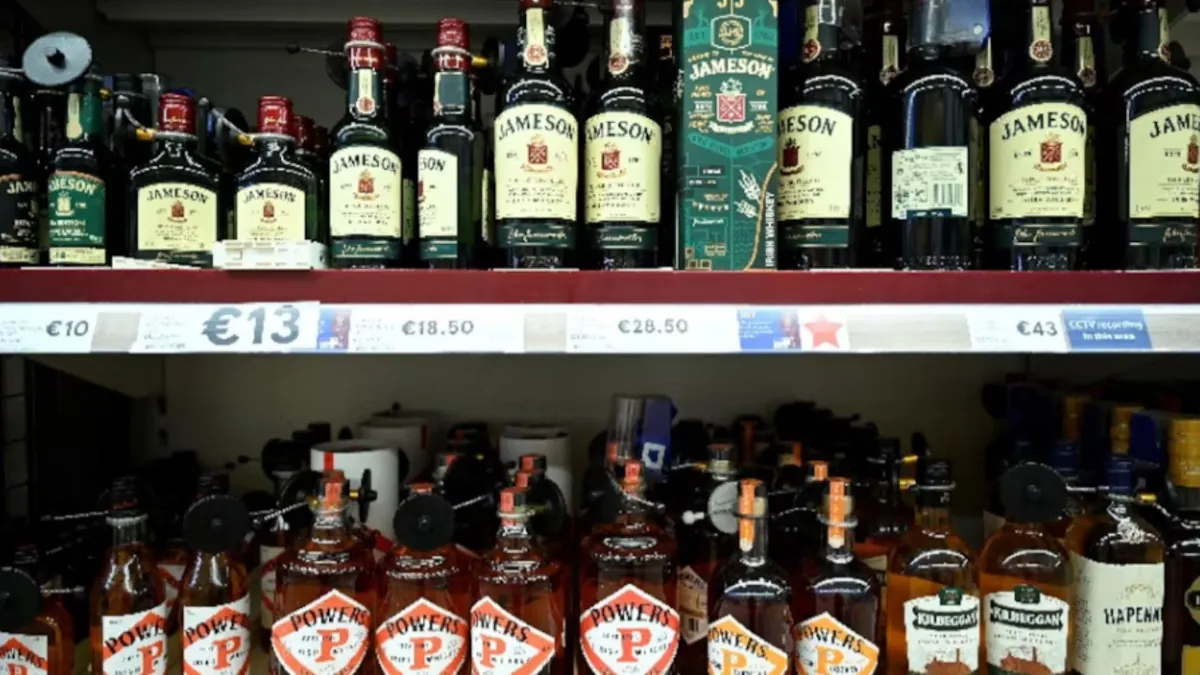
This targeted tariff adjustment has also created an obvious split in the US-EU alcohol trade pattern. Importantly, the US only waived tariffs for Irish whiskey. All other wine and spirit products from EU countries still face the original 10% import tariff. This gap in tariff policies has completely changed the competitive landscape of European alcohol in the US market.
By comparison, other alcohol products in the EU still have a 10% tariff cost. This extra cost squeezes their import profits and limits the room for their market prices and futures to rise. For professional trading funds, this policy difference brings a clear profit opportunity: they can buy long on futures contracts linked to Irish whiskey while selling short on futures of other EU alcohol products, earning steady profits from the tariff gap.
The Irish Whiskey Association (IWA) quickly recognized the huge positive impact of this new policy. It publicly stated that it will actively push for full mutual zero-tariff exemptions for all alcoholic beverages between the US and the EU. This industry appeal has also given the financial market clear policy expectations, leaving room for further positive changes in the alcohol trade sector. It is widely known that tariffs directly determine the trade cost of imported alcohol and are a core factor that shapes the overall price level of imported alcohol in the US market.
Before the tariff cancellation, the 10% tariff had long squeezed the profit margins of Irish whiskey exported to the US. Many trading merchants faced thin profits and even minor losses, so their willingness to import Irish whiskey continued to weaken, restricting the market expansion of Irish whiskey in the US. After the tariff was completely lifted, all tariff-related trade barriers disappeared. Import merchants' profits are back to normal and their appetite for importing Irish whiskey has soared.
Heating up policy expectations, smooth industry transmission.
In addition, the US alcohol consumption market has always maintained stable demand, with strong consumer preference for high-end whiskey products. The cost reduction brought by zero tariffs will attract more Irish whiskey brands to enter and expand in the US market, further activating the high-end imported whiskey consumption segment.
But the tariff exemption for Irish whiskey is also viewed as a positive sign of thawing US-EU trade ties beyond immediate market moves. For a long time, the US and EU have repeatedly negotiated and adjusted alcohol tariff rates, leading to persistent policy uncertainty in the industry and making market participants cautious about investment and trade layouts. This new targeted exemption breaks the previous one-size-fits-all tariff rule for European alcohol products.
The market now generally expects that the US and EU will gradually launch more tariff relaxation measures in the future. It is highly likely that the two sides will finally realize mutual zero-tariff exemptions and full market opening for all alcoholic beverages, which will bring long-term and far-reaching changes to the entire transatlantic alcohol trade industry.