Rogers spent 4.35 billion Canadian dollars to acquire MLSE in a full acquisition
Rogers acquired all the shares of MLSE for 4.35 billion Canadian dollars, and the stock price rose by 3% to $30.8.
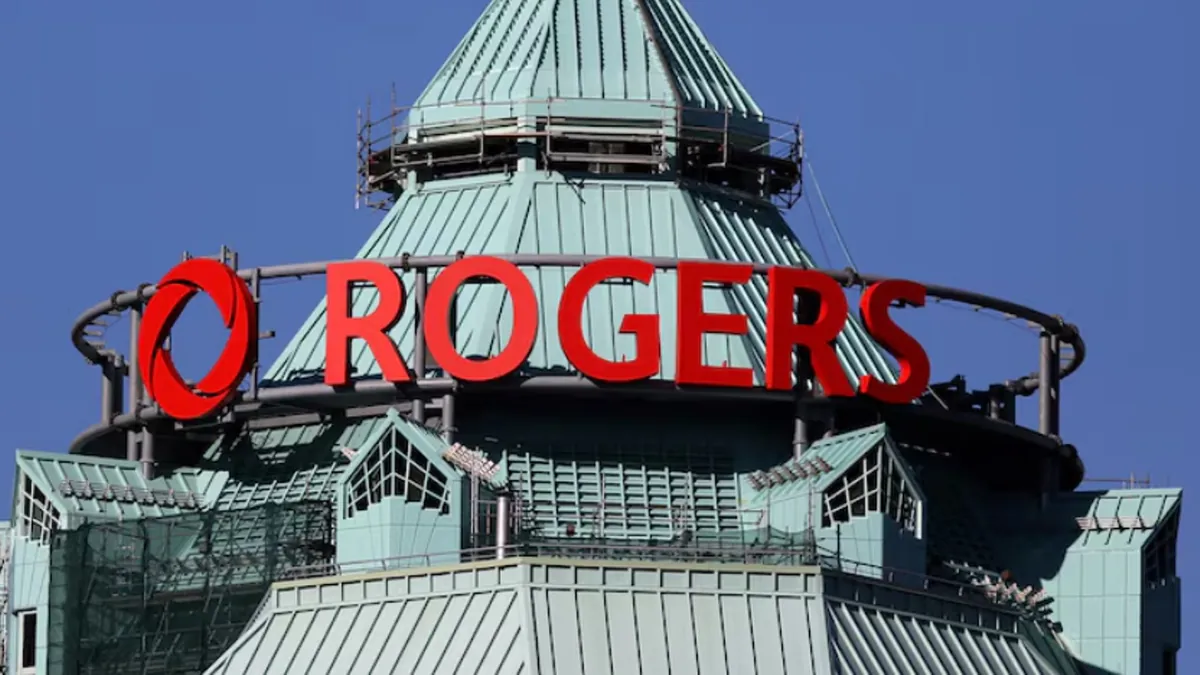
The deal is finalized and the stock price follows.
Rogers Communications Inc. has completed the 100% acquisition of MLSE. The total acquisition price amounts to 435 million Canadian dollars. Previously, the company already held 75% of the shares. The sports assets have an extremely strong ability to attract capital. The Raptors and the Maple Leafs are among the most valuable sports IPs in North America. The operating income of the home stadiums is very stable. The revenue and profits of MLSE will be fully incorporated into Rogers' financial statements. After full consolidation, Rogers' earnings per share are expected to increase.
On October 13th, Rogers closed at $30.80, rising by 3.01%. The market value is about $16.6 billion. The price-to-earnings ratio is less than 4 times. The low price-to-earnings ratio will attract more value investors to enter. The anti-cyclical nature of the sports assets is very strong. Even if there are macroeconomic fluctuations, the consumption willingness of fans remains firm. This stable cash flow is highly attractive to long-term funds.
Top sports IP builds a deep moat.
MLSE owns several top professional teams in North America. These teams have a large fan base of die-hard supporters. Sports IP has strong scarcity and monopoly. The North American professional sports leagues operate under a closed system. There is no promotion or relegation system. It is extremely difficult for new teams to enter this circle. This scarcity gives the teams a high commercial premium.
Rebroadcast rights income, ticket revenue and sales of peripheral products constitute a stable source of income. The sales of jerseys and souvenirs remain at a high level year after year. The performance of the team will affect the conversion rate of peripheral products. Broadcasting contracts usually last for several years. The Scotiabank Arena is one of the most profitable stadiums in North America. The year-round non-stop events and activities ensure a high asset utilization rate. Rogers has acquired these core assets. Competitors can not replicate this resource barrier. This monopoly position provides a solid support for the stock price.
The integration of communication and sports enhances user loyalty.
Rogers will establish a brand-new "Rogers Sports" department. It will integrate media, entertainment and sports assets. Rogers has a vast telecommunications user base. The Sportsnet media platform has a wide audience. Bundling exclusive sports event content with telecommunications packages can increase the conversion cost for users. Fans tend to choose Rogers' network service when they want to watch their home team's games.
The subscription volume of streaming media platforms will also increase accordingly. The acquisition cost for telecom operators is extremely high. Utilizing sports IP for customer acquisition can largely reduce marketing expenses. Sports IPs can also drive the growth of advertising revenue. Brands are willing to pay high fees for exposure during top-level events. Rogers can sell advertising spaces.
Financial and debt considerations behind the massive acquisition.
The 435 million Canadian dollars acquisition is a huge sum. Rogers needs to complete the transaction through bond issuance or using cash. This will increase the company's debt-to-equity ratio. The telecommunications industry is inherently a capital-intensive industry. Massive debt will increase interest expenses. If the debt is too high, rating agencies may lower its credit rating. Financing costs will rise accordingly. The management may choose to issue long-term bonds to lock in low interest rates.
However, changes in the macro interest rate environment remain uncontrollable. High leverage will also limit the company's future dividend and stock repurchase capabilities. The shareholder return plan may be forced to be reduced. The allocation of free cash flow will face greater pressure. The company must balance debt repayment with shareholder returns.
Management shuffle.
Rogers completed the transfer of control within just nine months. The position of team chairman was also abolished. The new management team needs time to integrate. Sports operations and telecommunications operations are two completely different logics. Cross-border management tests the strategic execution ability of the CEO. Keith Perry and Mark Shapiro remain in their positions. This helps maintain the continuity of the business.
In addition, the acquisition still needs final approval from various sports leagues. The North American professional sports leagues have extremely strict qualification reviews for team owners. The league will review the financial strength and operational experience of the buyer. The approval process is uncertain. If the league imposes additional conditions, it may affect the integration progress. Local fans may also be resistant to excessive capital intervention in team operations. The decline in team performance will also trigger dissatisfaction among fans towards the management. This sentiment will indirectly affect the attendance and consumption at the stadium.